Remember staring at a blank screen, refreshing job boards until two in the morning, and wondering why nobody was ever calling back? I’ve been there, feeling like my actual abilities were completely invisible to corporate algorithms. Learning how to find jobs that match your skills is not about throwing your resume at a hundred listings a day hoping something sticks; it is a systematic pivot toward true career alignment.
In this guide, I want to share the hard lessons, unexpected mistakes, and practical habits that changed my entire approach. If you are tired of generic rejection emails and feeling mismatched, you are in the right place. Let’s look at how to fix this loop together.
Why Traditional Job Boards Lead to Burnout
For the longest time, I thought job hunting was a numbers game. I would open up major boards, type in my title, and spam the “Easy Apply” button for hours. It felt productive. In reality, it was a fast track to mental exhaustion.
The problem with traditional job boards is that they treat your career like a spreadsheet. They match keywords, not human capability. When you rely solely on massive portals, you compete with thousands of automated applications. You end up applying for roles that look good on paper but drain your energy in practice.
I learned the hard way that a high volume of applications rarely equals a high quality of interviews. Shifting my focus away from sheer volume changed everything. Instead of asking where I could send my resume next, I started asking what work actually energized me. That single shift saved my career sanity.
Auditing Your True Competencies Beyond the Resume
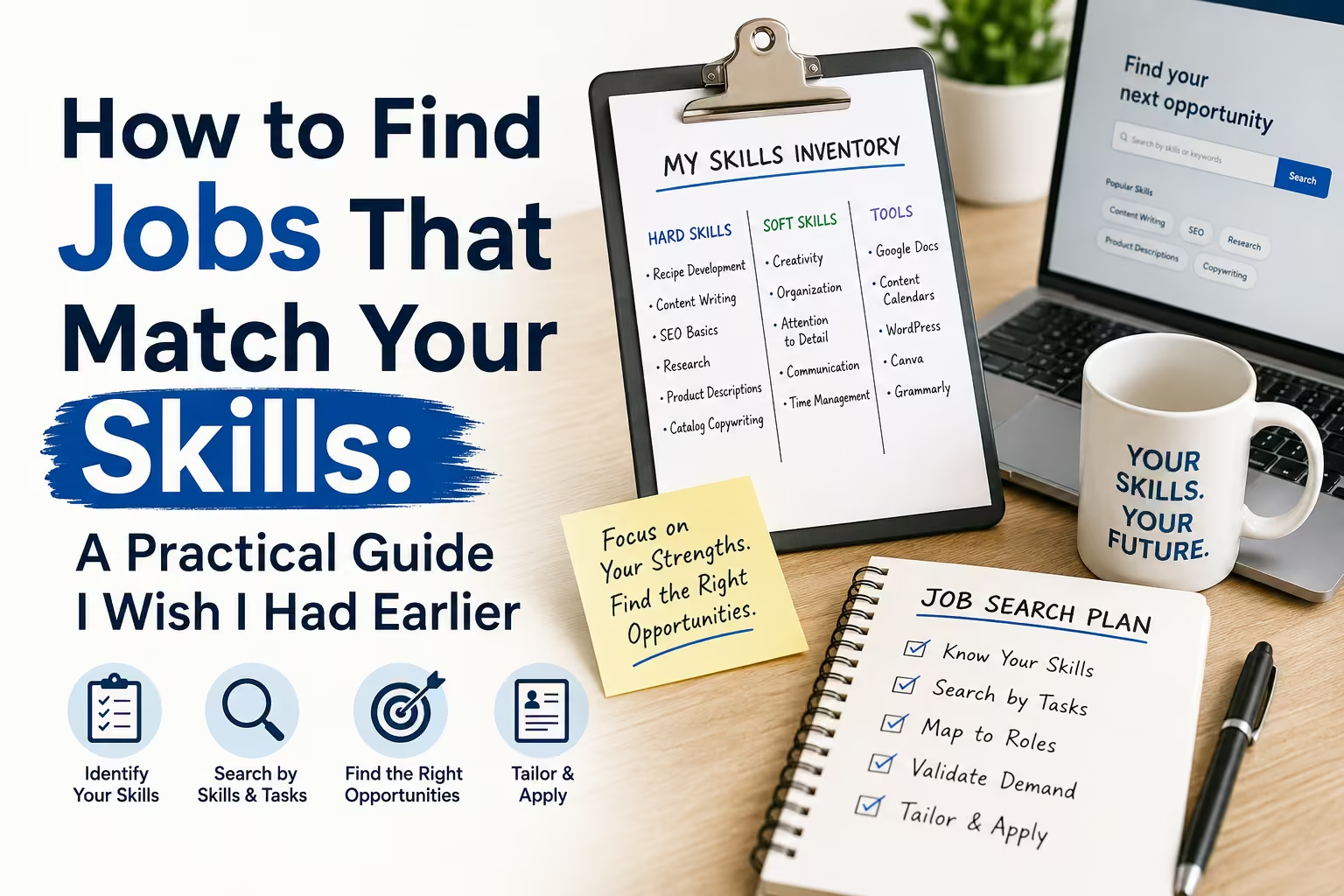
Most of us underestimate what we bring to the table. We list our job titles and software tools, but we forget the actual problems we solved along the way. When figuring out how to find jobs that match your skills, your first step has to be an honest, unfiltered inventory.
Grab a blank document and write down what you actually did in your past roles. Do not just copy your old job description. Think about the fires you put out, the processes you improved, and the tools you picked up on the fly.
-
Hard Skills: List specific software, frameworks, and technical methods you use daily without thinking twice.
-
Transferable Skills: Note the ways you managed people, organized chaotic projects, or explained complex ideas simply.
-
Hidden Competencies: Identify the tasks colleagues always came to you for help with. That is usually where your true market value lives.

I realized my biggest value wasn’t the title on my desk; it was my ability to translate technical chaos into clear, actionable steps. Once I recognized that, I stopped applying for narrow technical roles and started targeting positions that valued strategic translation.
Leveraging Modern Tools Without Losing Your Voice
The job market has evolved past static job boards. Today, AI-powered matching tools can scan your background and highlight genuine overlaps. But there is a massive trap here: letting technology dictate your identity.
Platforms like Jobscan or niche talent networks can help you see where your resume aligns with open listings. Use them as a mirror, not a master. If an algorithm tells you that you are only a fifty percent match for a dream role, do not panic and start lying on your resume.
Instead, look closely at the missing fifty percent. Are those skills you can learn in a weekend, or are they fundamental gaps? Often, companies throw every nice-to-have tool into a job description even if they only need someone who is adaptable and quick to learn.
One of the trickiest parts of finding a role that fits is deciding where you actually belong on the experience ladder. I used to fall into two traps: applying for senior roles I wasn’t quite ready for, or underselling myself for junior positions out of desperation.
A seventy-percent match is often your sweet spot. If you meet most of the core requirements and possess the foundational mindset, apply. You do not need to check every single box on a corporate wishlist to do exceptional work.
Companies are rarely looking for a unicorn. They want a real human being who can solve their current bottlenecks. When you position yourself as a problem solver rather than a human checklist, your application instantly stands out from the crowd.
Frequently Asked Questions About Job Matching
How do I know if a job description is realistic or a wishlist? Look at the verbs used in the requirements. Words like “familiar with” mean basic knowledge, while “expert in” requires deep mastery. If a post lists twenty different tools, they are usually describing a team, not a single person.
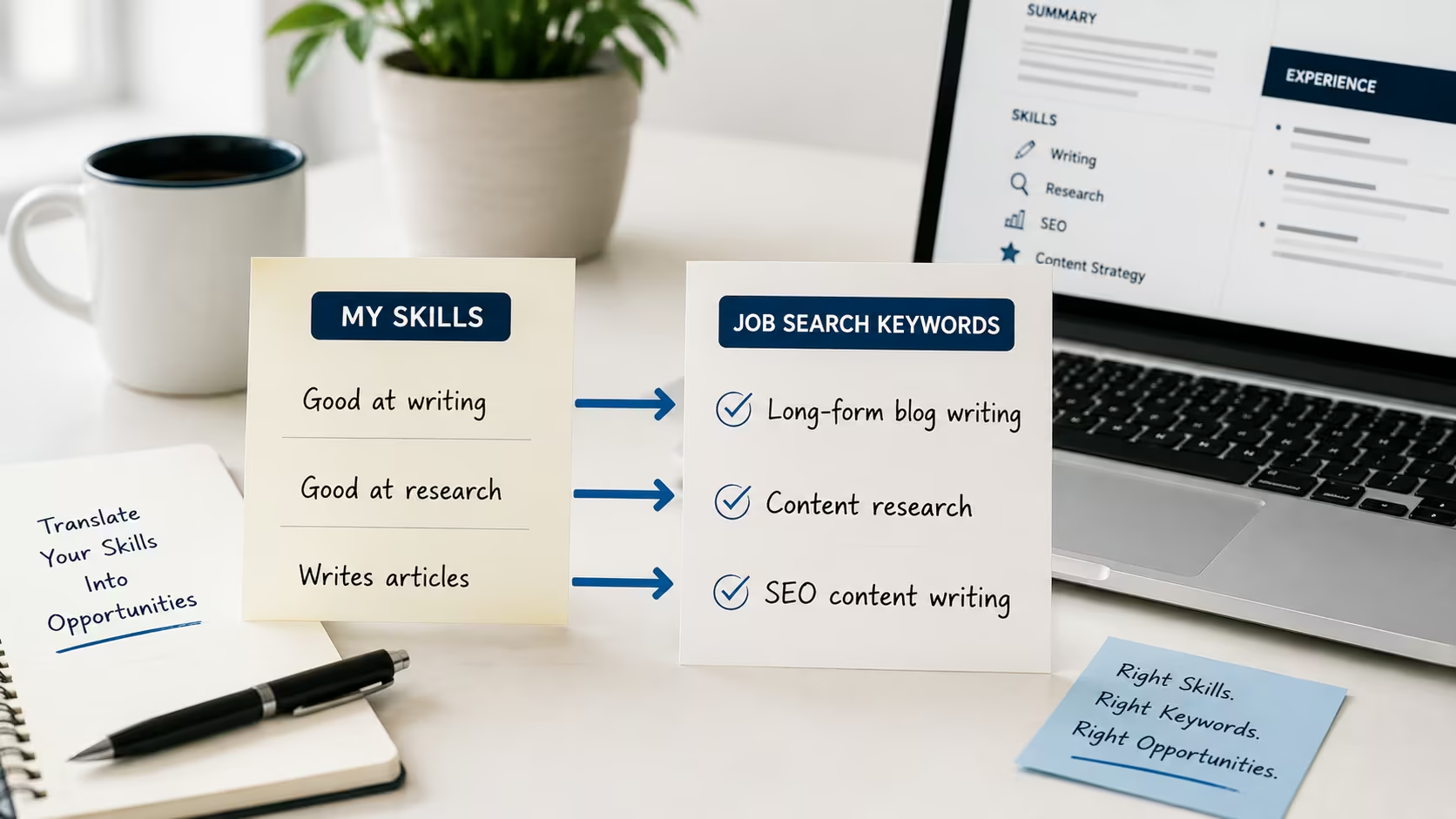
Should I tailor my resume for every single application? Yes, but keep it sustainable. Focus your customization on the top thirty percent of roles you genuinely want. Mirror the core terminology used in their posting so your experience translates clearly.
What if I want to switch industries entirely? Lean heavily into your transferable skills. Frame your past achievements around outcomes rather than industry-specific jargon. Problem-solving, project management, and clear communication cross over into every sector.
How many jobs should I realistically apply to each week? Quality beats quantity every single time. Aim for five to ten highly targeted applications a week where you have customized your approach. You will get better responses than sending fifty blind applications.
Final Thoughts on Finding the Right Fit

Finding a job that matches your actual skills is a journey of self-reflection and strategic patience. The biggest lesson I learned is that rejection is rarely a reflection of your worth; it is usually just a sign of a bad fit.
Stop chasing every open listing and start focusing on where your unique blend of talents solves a real business problem. Keep your expectations grounded, protect your energy, and remember that the right role requires patience. You will get there by focusing on alignment over volume.

As a Technical Recruiter and Career Guider, I help candidates find the right opportunities and make the hiring process smoother, faster, and more human.
My role centers on sourcing, screening, and matching qualified candidates with open technical positions across multiple companies. I work closely with job seekers to understand their skills, career goals, and preferences, then connect them with roles where they can truly thrive. I believe great recruitment isn’t just about filling positions; it’s about creating access. I help candidates discover more job opportunities, reduce hiring friction, and navigate the recruitment process with clarity and confidence. With strong communication skills and experience working with professionals from diverse backgrounds, I focus on building genuine relationships, whether with candidates or hiring teams.